
bylder
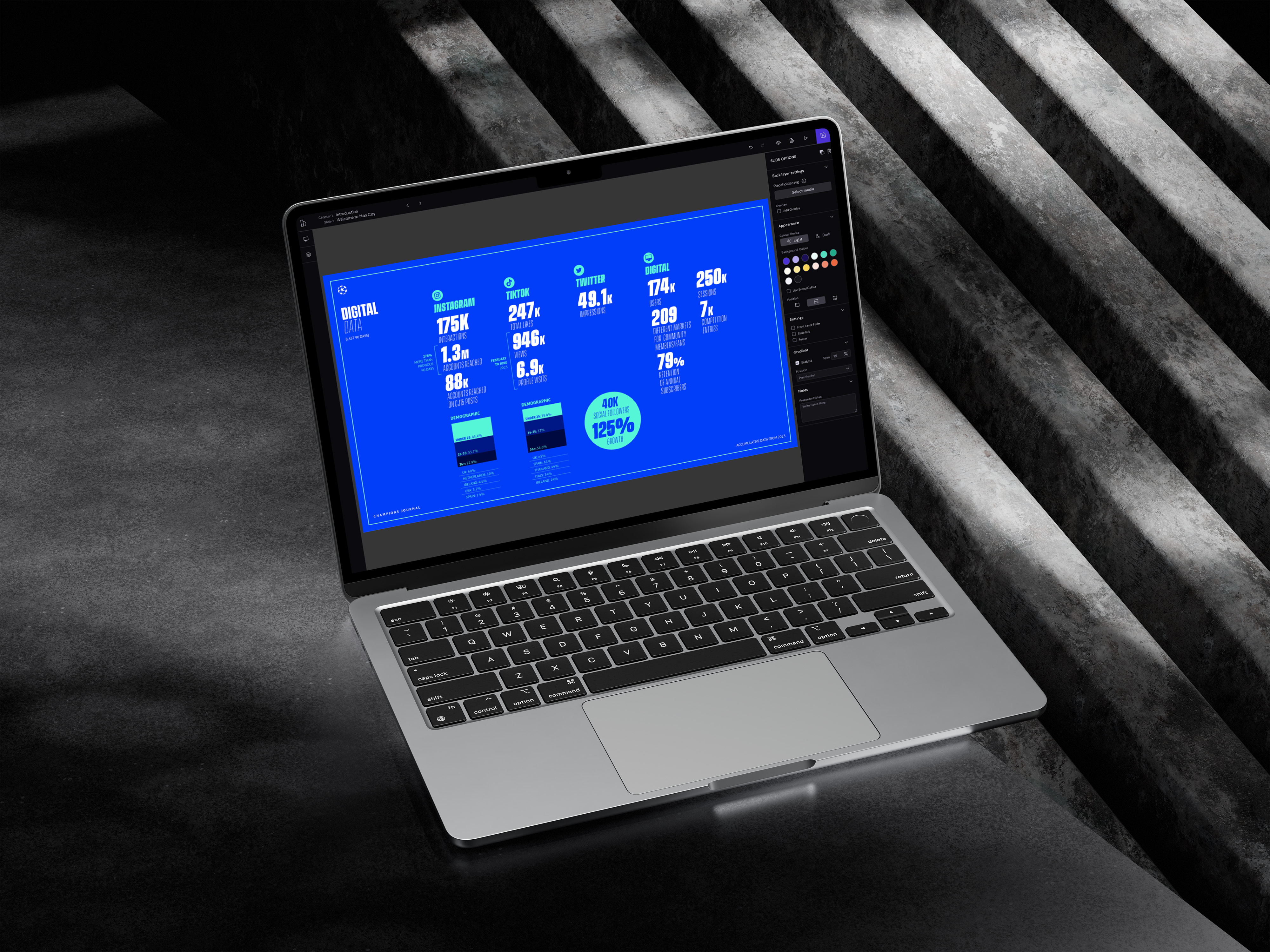

About the project
GOALS
- Evolve bylder from a presentation tool into a broader sponsorship and partner management platform
- Define and ship features that support pitching, presenting, analytics, and partner management
- Improve usability across complex, web-based presentation workflows, helping teams to create high-quality, on-brand presentations without design support
- Create a stronger design system and product foundation to support growth, consistency, and faster delivery
CHALLENGE
bylder was built and grown within a small, self-funded team, where every product decision needed to justify itself commercially. With limited budget and engineering resource, the challenge was not just to improve the product, but to evolve it in ways clients would immediately value.
The platform itself also carried a unique layer of complexity: presentations are web-based, enabling richer pitch experiences and analytics, but introducing structural rules that are not always intuitive for brand designers, sales teams, and non-technical users.
Establishing a design system for an organically grown product with an active user base - creating the structure needed to improve consistency, accelerate development, and support future growth.
Solution
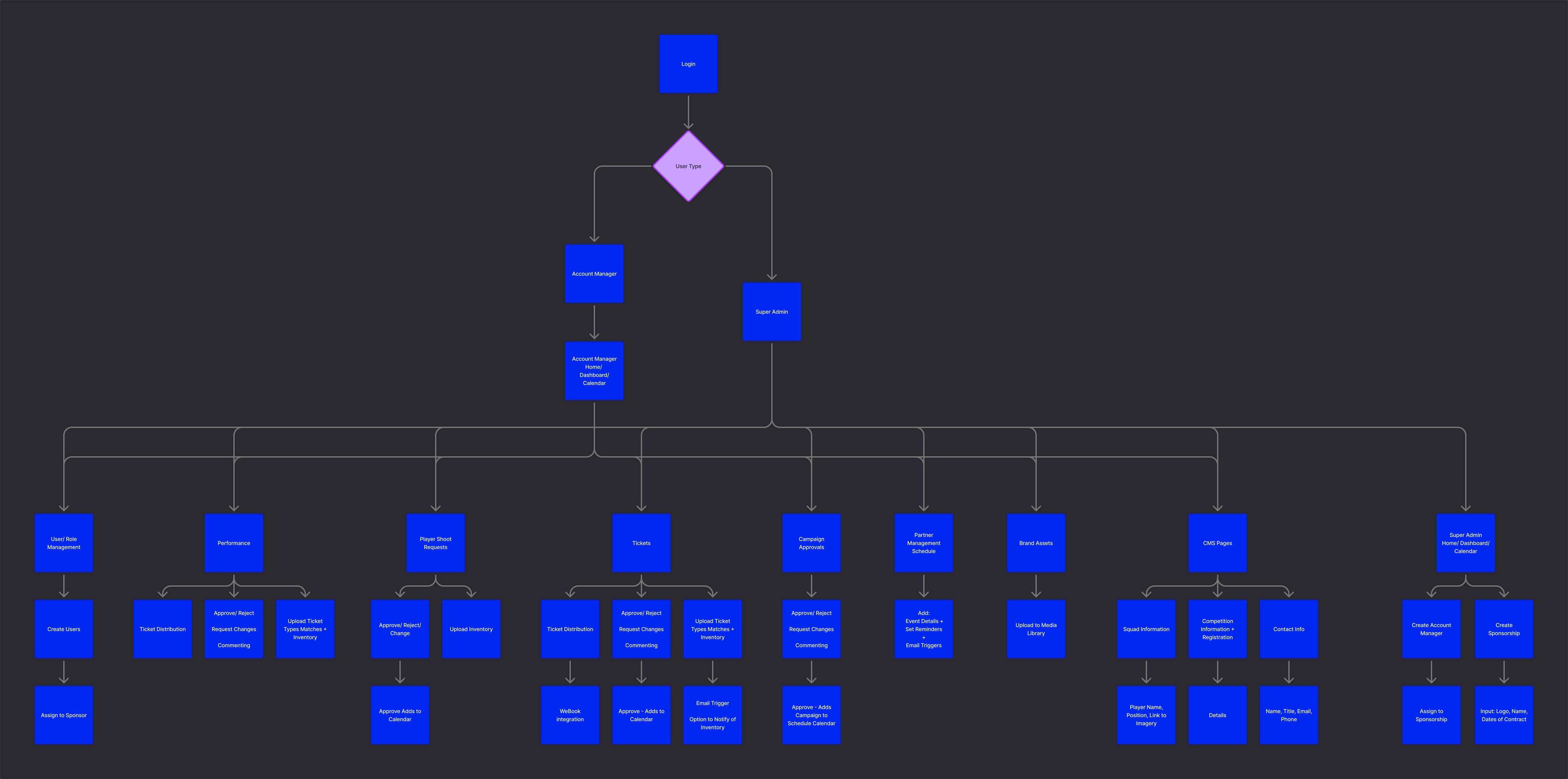
Over four years, I helped shape bylder into a more complete sponsorship platform - defining features, improving workflows, and creating stronger systems for scale.
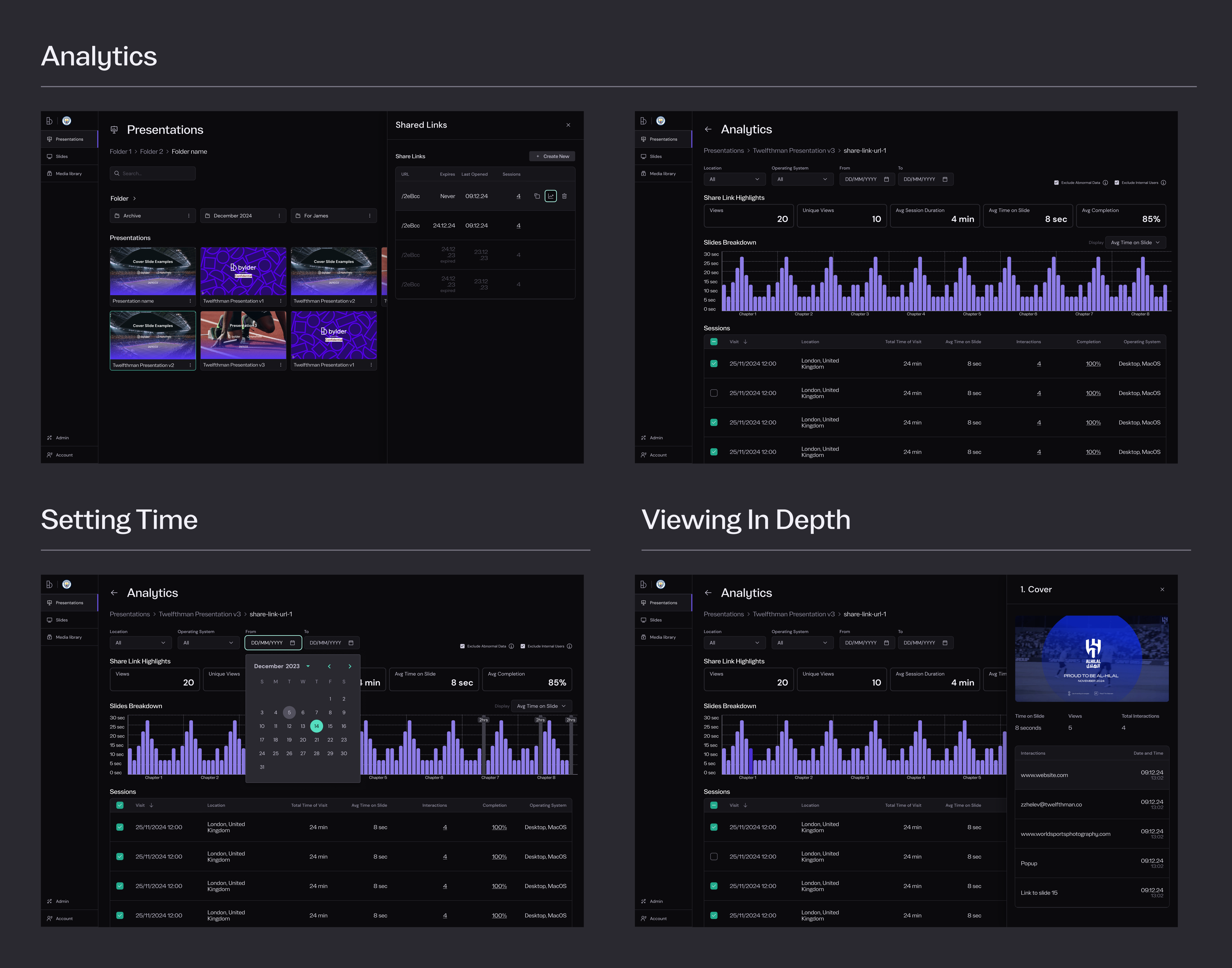
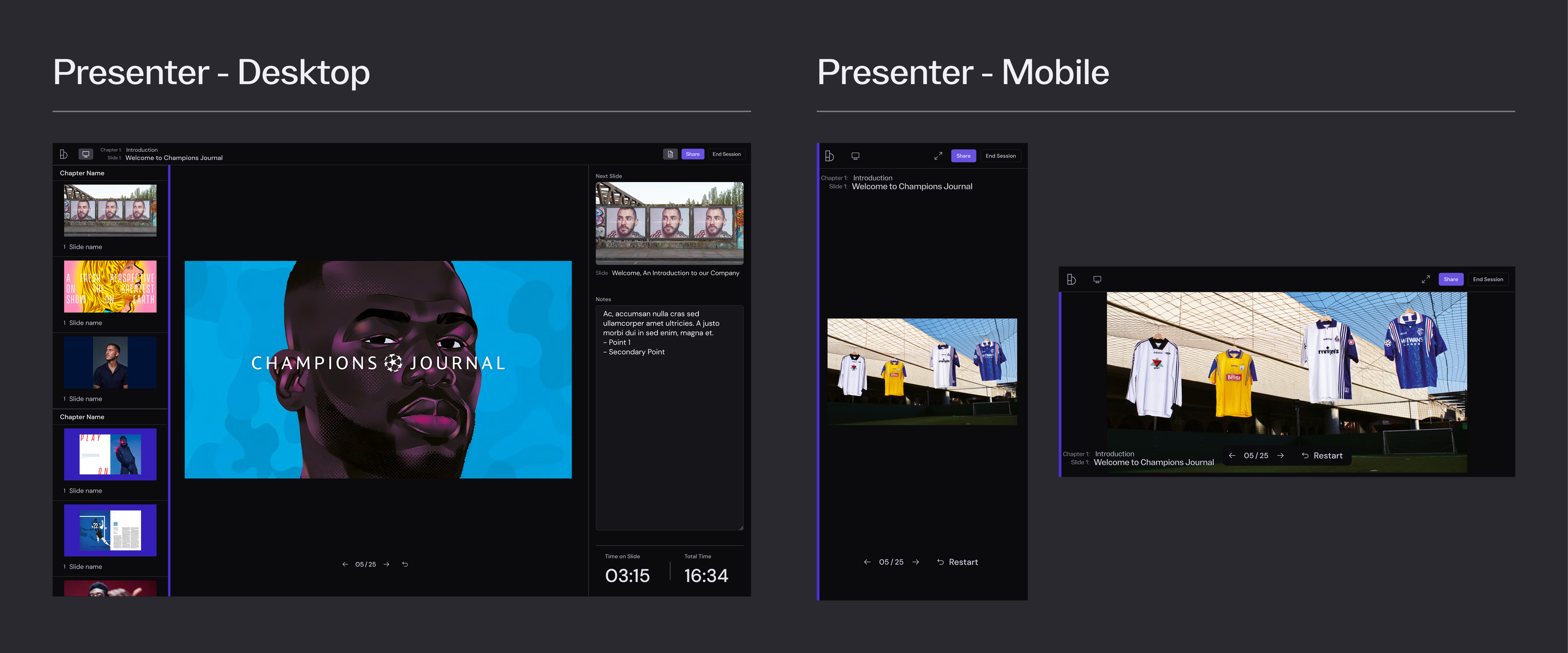
This included designing and iterating key product areas such as analytics, presenter mode, theme builder, targeted imagery, and a redesigned editor experience, while also introducing a design system to improve quality, consistency, and speed across design and development.
Product decisions were grounded in direct client conversations, helping ensure the platform evolved in line with real organisational needs and team workflows.
Let's Jam
From Presentation Builder to Sponsorship Platform
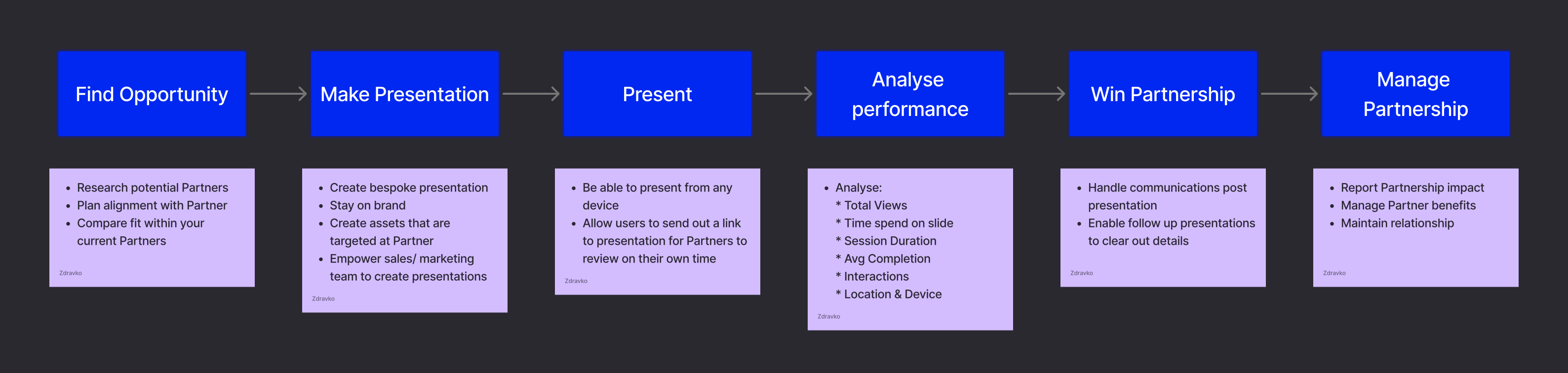
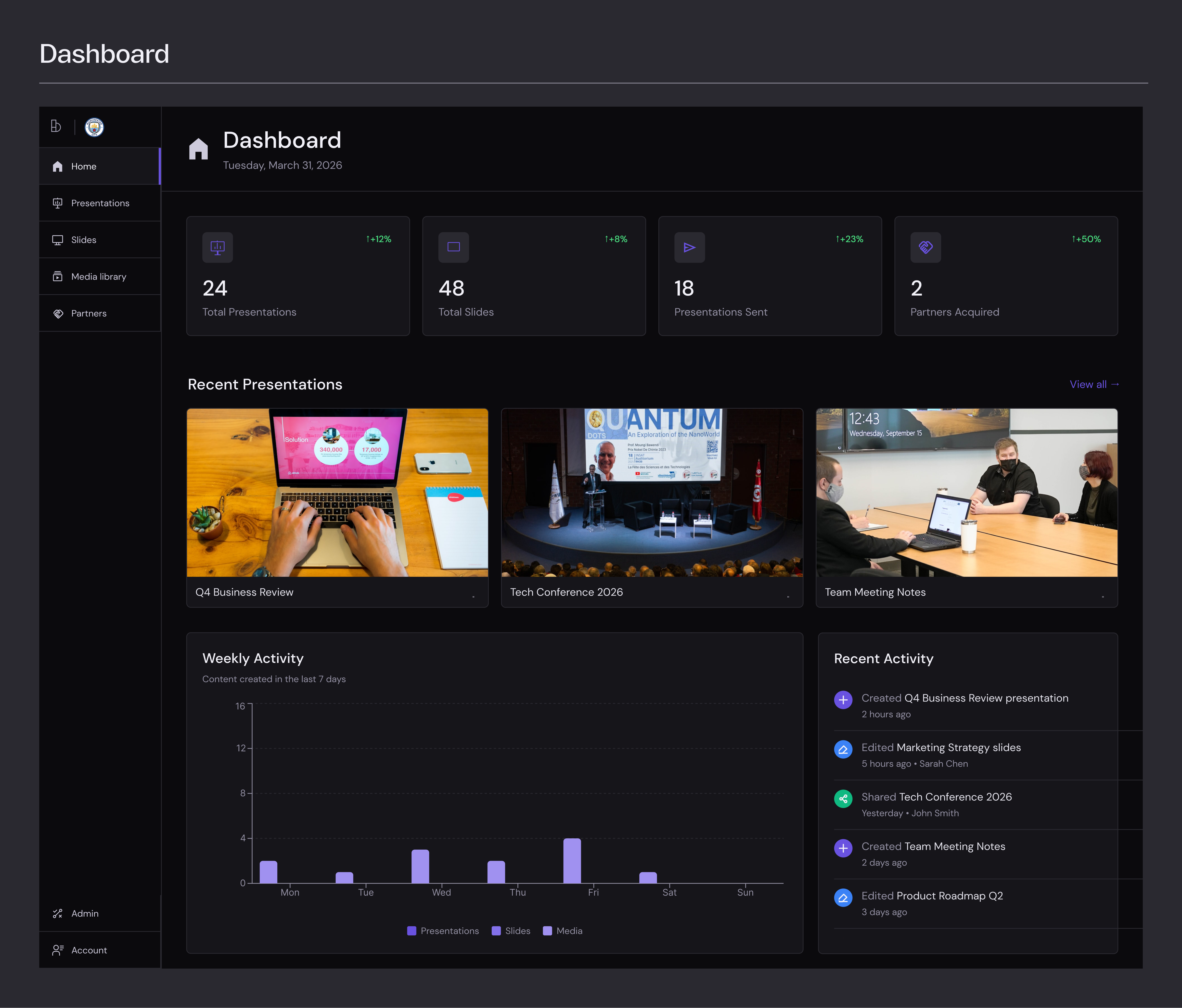
Over time, bylder evolved from a presentation builder into a broader sponsorship and partner management platform.
My role has been to help shape that direction—defining new product opportunities, designing core features, and ensuring the platform grows in line with how clients actually acquire, manage, and present to partners.
This shift expanded bylder’s role from a pitch tool into a more embedded part of the sponsorship workflow.
Designing for Real Team Use
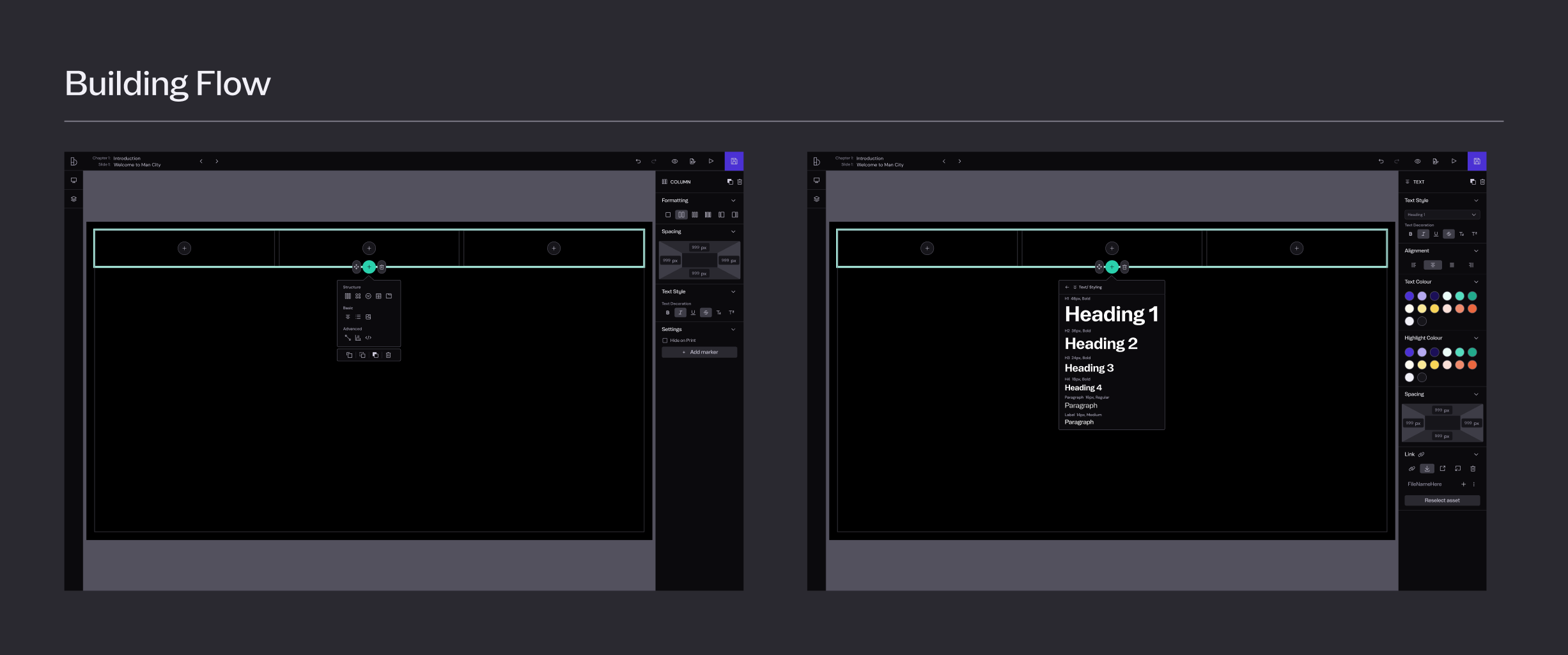
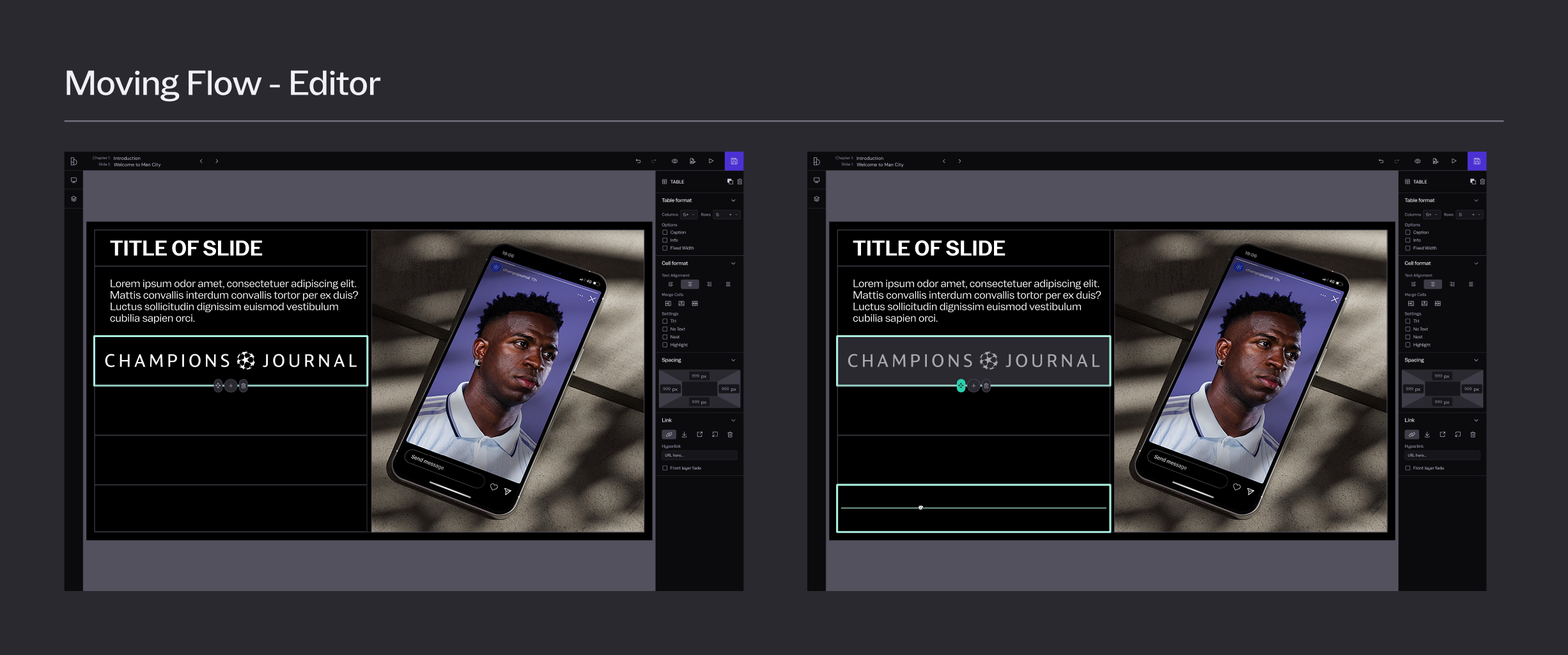
One of bylder’s biggest strengths is that teams can build presentations without breaking the brand. That means marketing, sales, and partnership teams can create decks independently, while still maintaining layout integrity, consistent styling, and brand control.
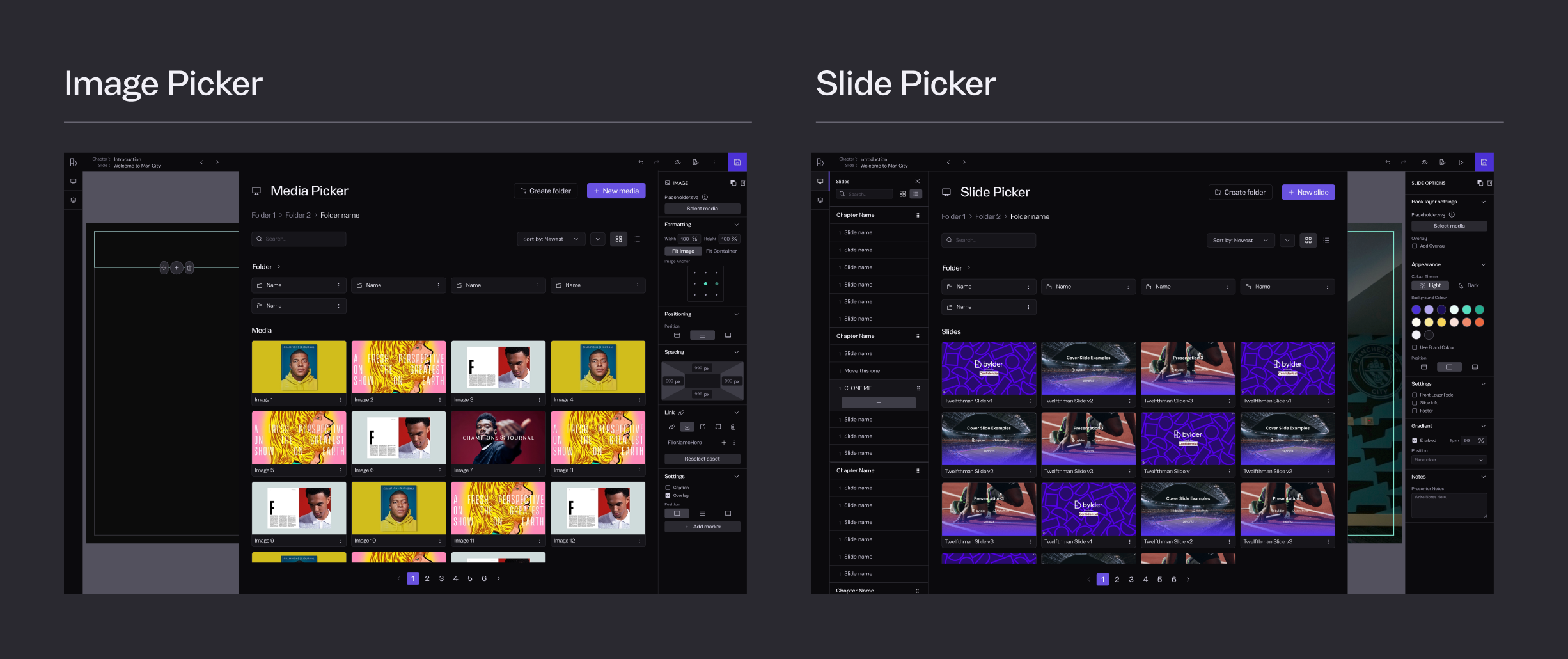
At the same time, the product needed to feel approachable for non-technical users, despite the presentations themselves being web-based and structured more like mini websites than traditional slides.
Designing for that required a strong understanding of how different teams operate inside organisations, where friction appears, and how to simplify complex editing workflows without removing the flexibility that makes the platform valuable.

Building Better Foundations
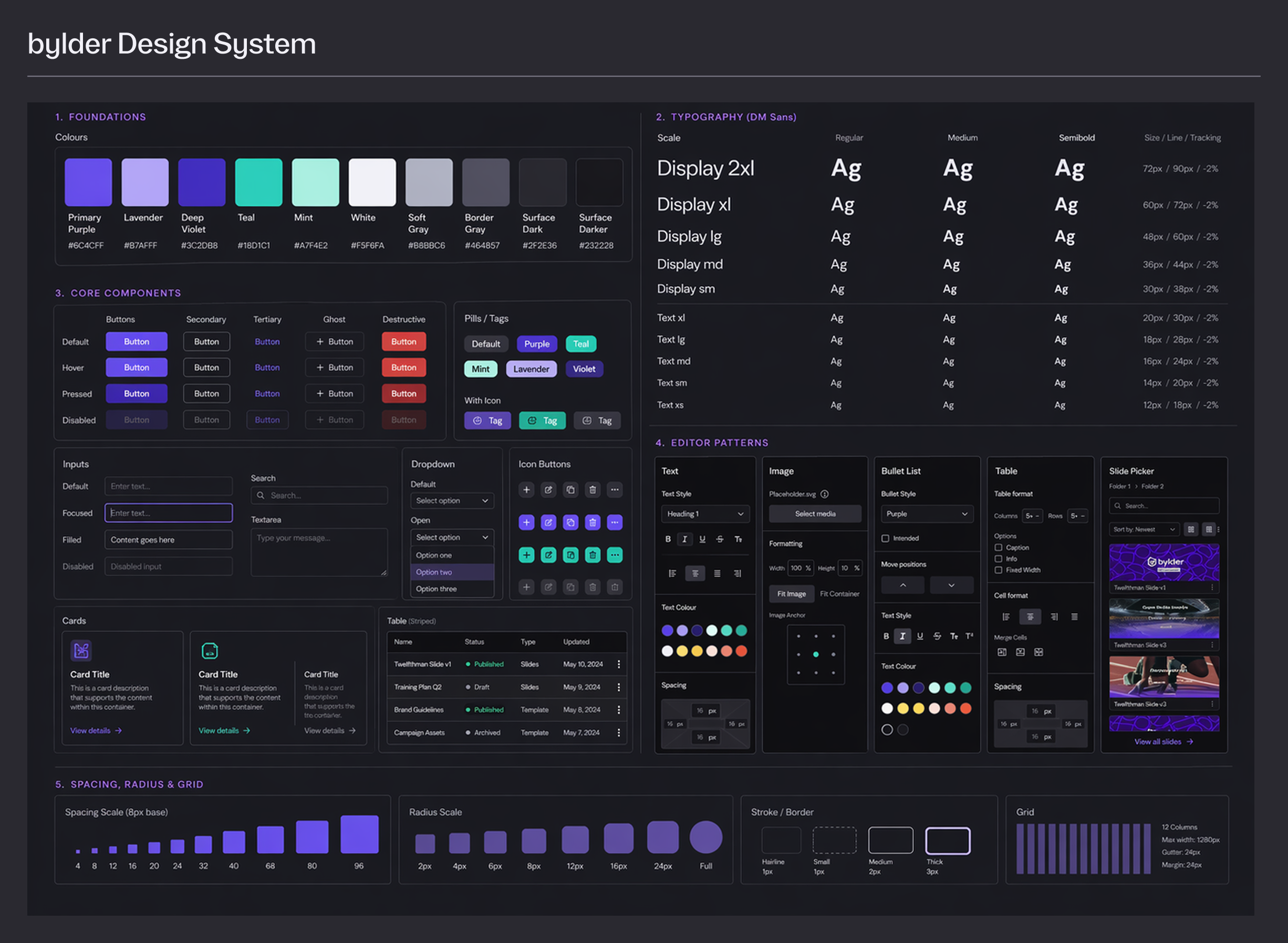
When I joined, bylder had no real design system in place. Over time, I introduced a more structured system to improve consistency, reduce design debt, and speed up development.
This helped create a stronger shared foundation between design and engineering, making it easier to iterate on features, respond to client needs, and maintain quality as the platform evolved.
In a small, self-funded team, that kind of efficiency had a direct impact on what could realistically be built and shipped.
Defining High-Impact Features
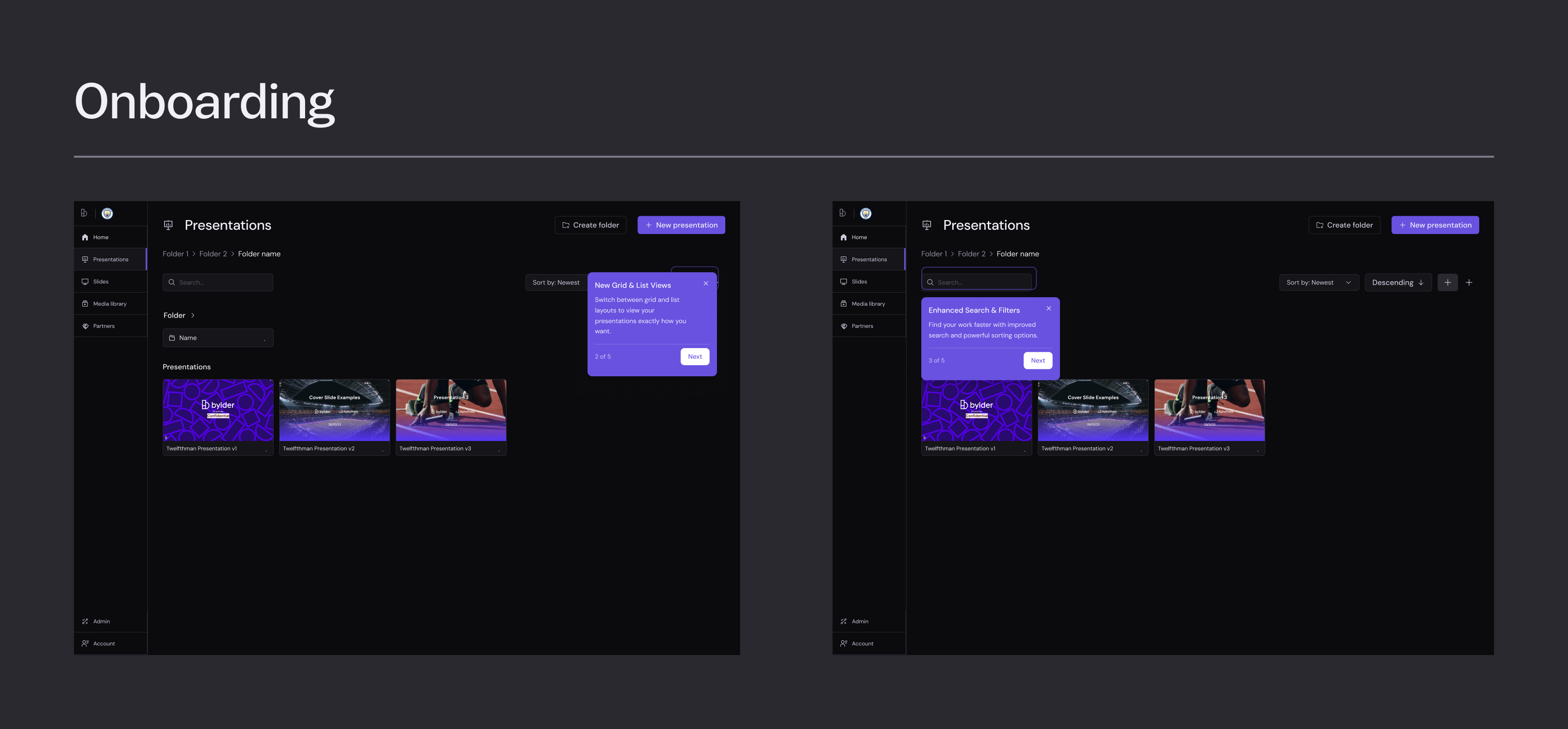
A big part of my role has been identifying and shaping the features that would make the biggest difference to how clients pitch, present, and manage partnerships.
This included areas such as analytics, presenter mode, targeted imagery, theme builder, and a broader overhaul of the editor experience—each designed to solve a specific workflow, commercial, or brand-control problem.
Rather than adding features for the sake of growth, the focus was on building the parts of the product clients would immediately find valuable and could adopt naturally within their existing processes.
Outcome
bylder has grown from 10 to 35+ clients while becoming a profitable product that helps fund wider business growth for Twelfthman.
Over four years, the platform has evolved into a more mature and capable system—supporting sponsorship teams with presentation creation, brand control, analytics, and partner-facing workflows.
The result is a product that combines creative quality with operational value, helping clients land and manage multi-million dollar partnerships more effectively.
other case studies


Social Media

