
FIFA: Briefing Platform

About the project
GOALS
- Improve communication between organisations and creative teams
- Create a clearer, more structured process for project submissions, quotes, and approvals
- Design a flexible platform that could support multiple organisations and use cases
- Improve speed, accuracy, and delivery reliability across projects
- Reduce ambiguity in briefing and approval workflows
CHALLENGE
Creative briefing often breaks down before the work even starts. Information is fragmented, expectations are unclear, and communication moves across too many channels, making it easy for requirements to be missed and timelines to slip.
The challenge was to design a system that could bring structure to that process without making it feel heavy or bureaucratic. It needed to be simple enough for teams to use consistently, while flexible enough to support different organisations, workflows, and approval structures.
At the same time, the platform had to work as a white-label product, meaning the same underlying system needed to scale across clients.
Solution
I designed a structured workflow platform that centralised briefing, quoting, and project delivery into a single system.
The product simplified complex processes into clearer steps, reduced friction in communication, and created a more reliable foundation for teams to collaborate around shared information.
Alongside the workflow design, I created a flexible white-label system that allowed the platform to support multiple organisations and use cases without losing consistency or speed of implementation.
Let's Jam
Turning Ambiguity into Process
The core problem was not lack of effort, but lack of structure. Briefs, approvals, and project requirements were often spread across messages, documents, and conversations, creating avoidable ambiguity.
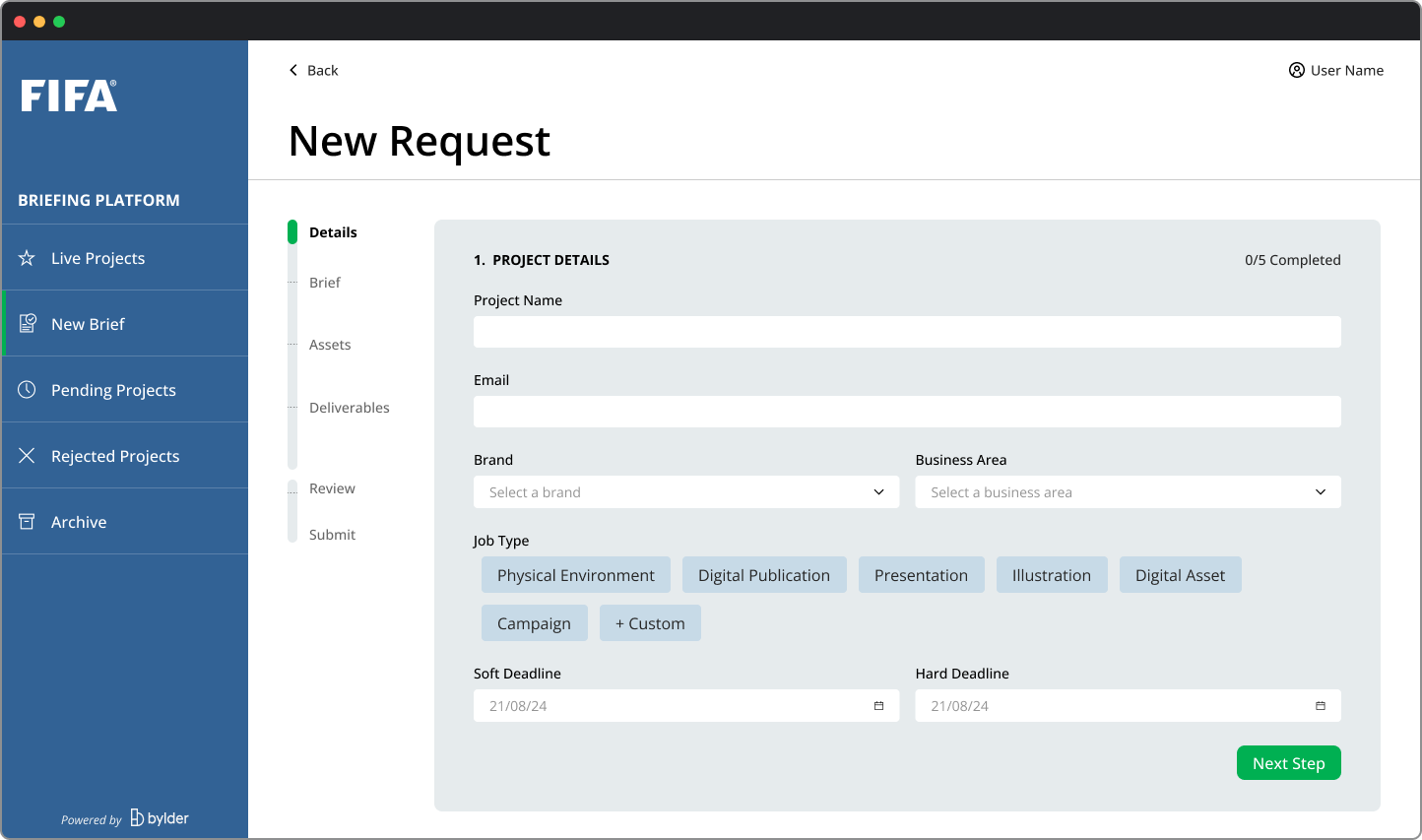
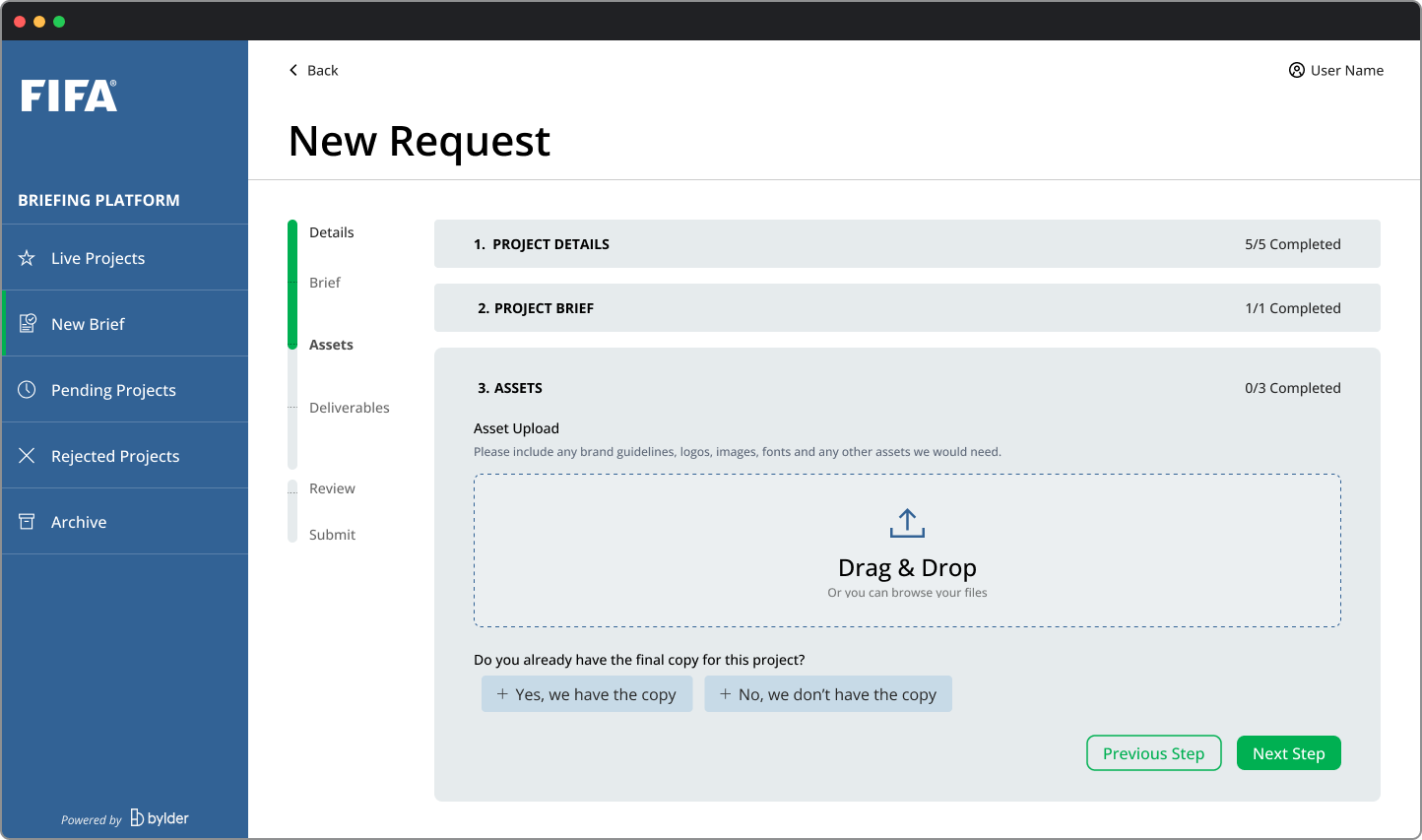
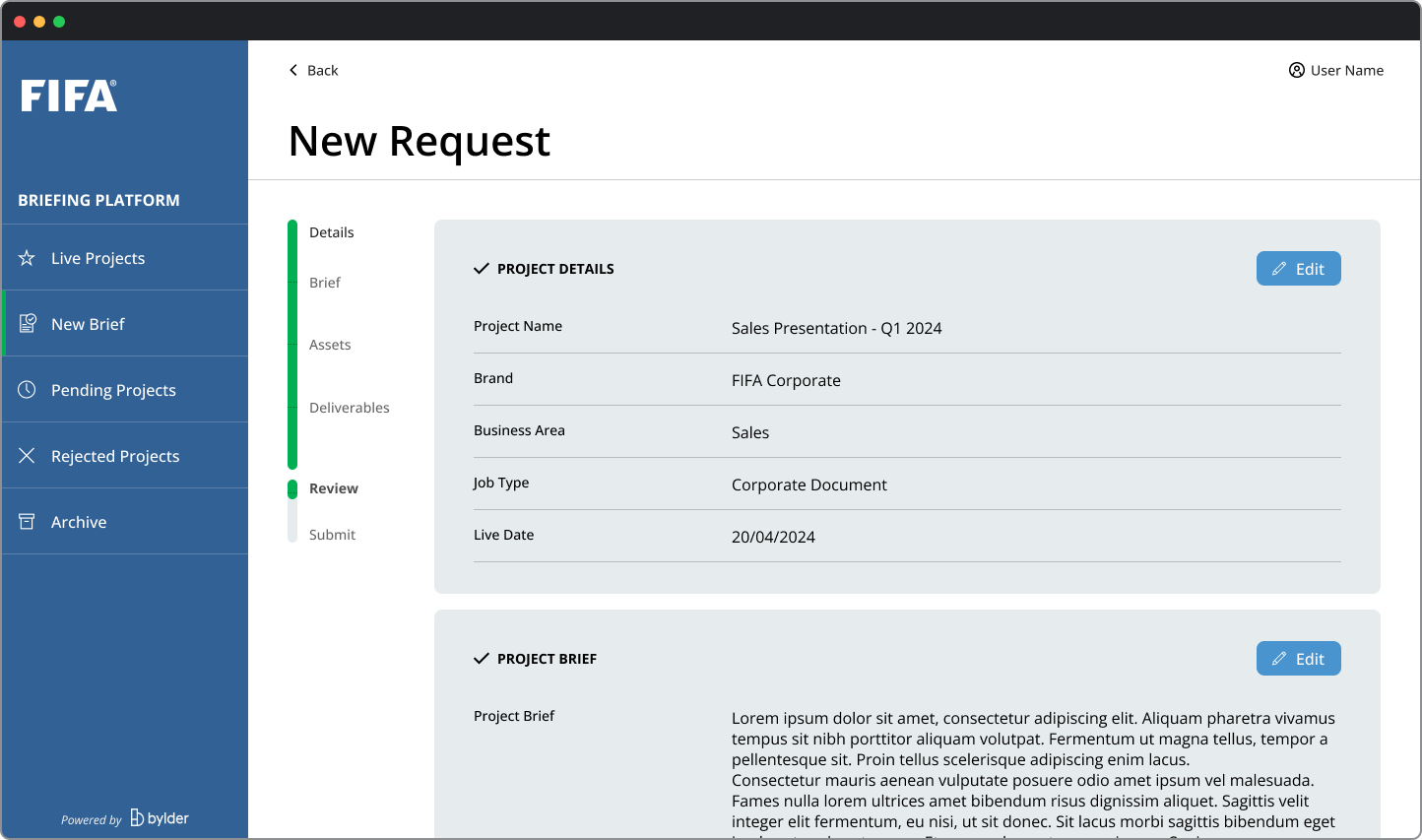
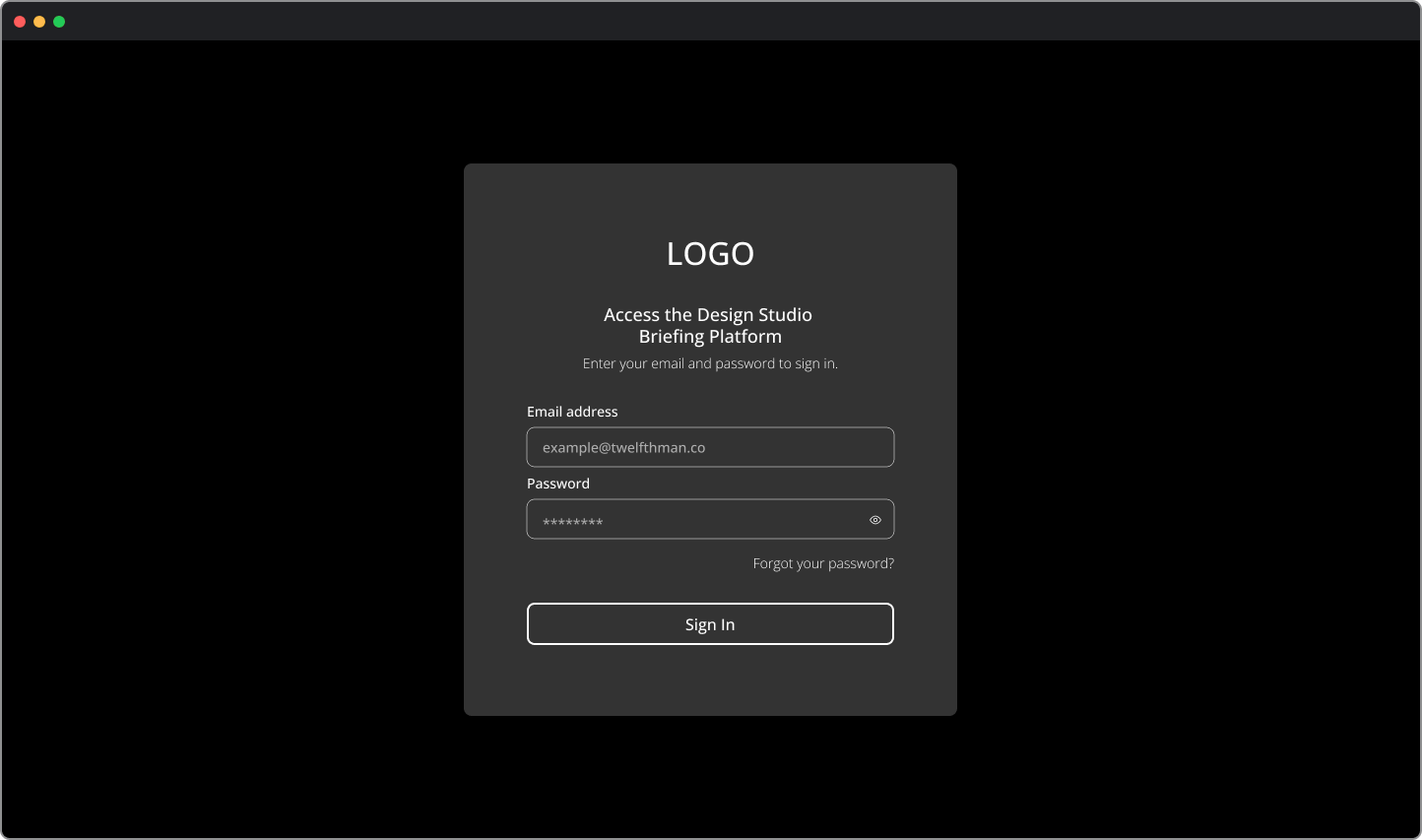
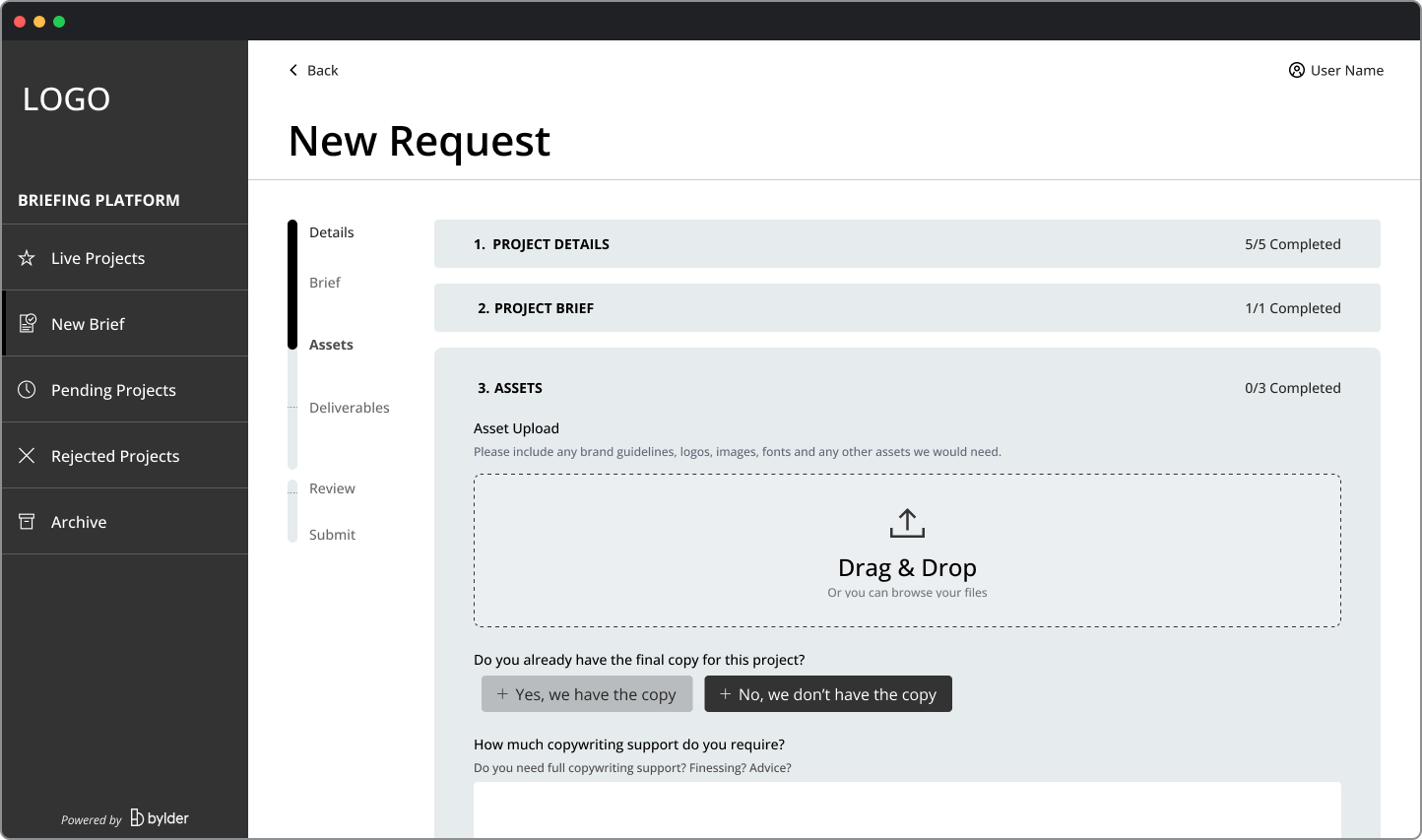
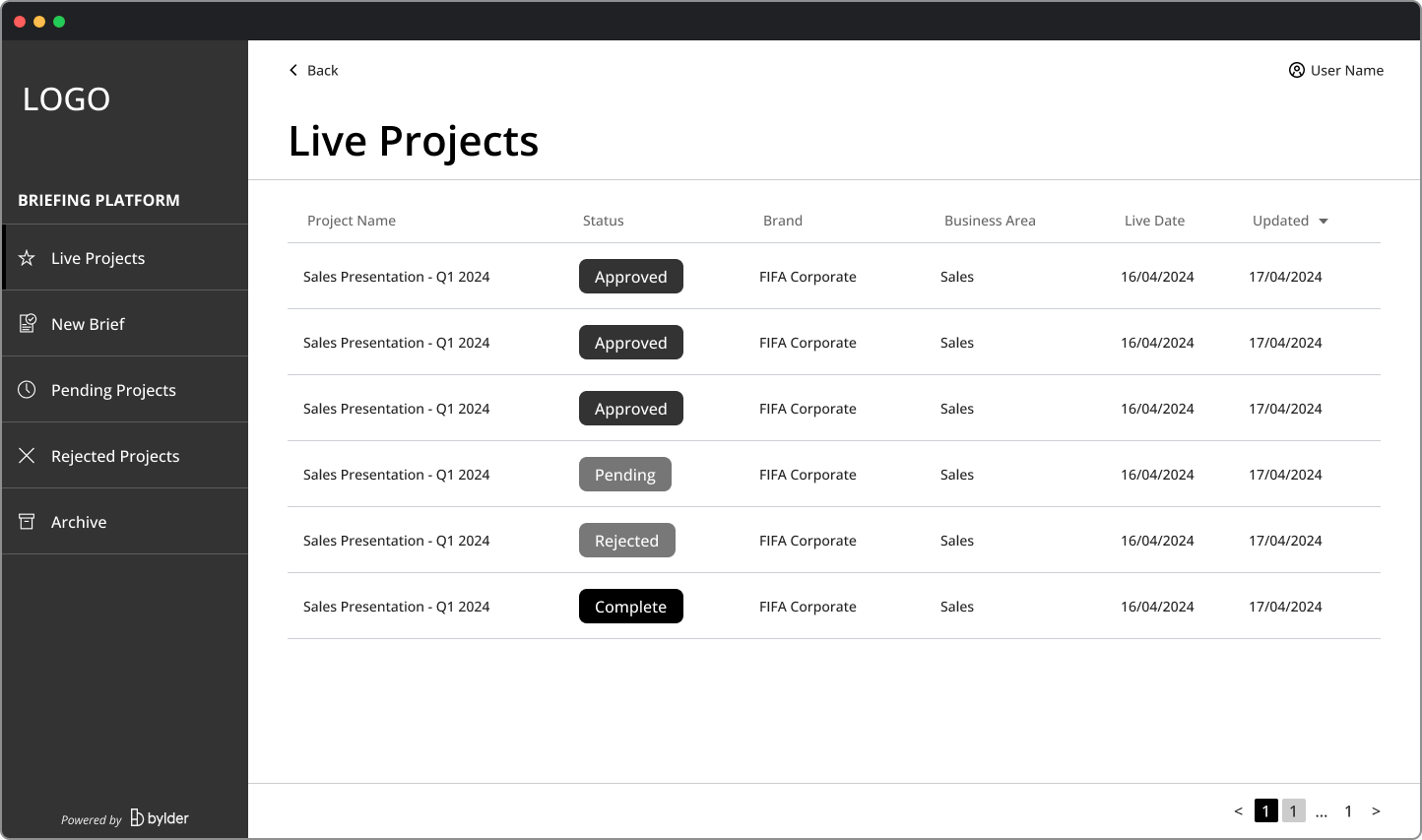
The platform was designed to bring those moving parts into a single workflow, giving teams a clearer process for submitting briefs, reviewing requests, and progressing work.
By making the process more visible and structured, the product reduced uncertainty and helped teams move faster with more confidence.
Building a System for Multiple Organisations
The platform needed to support different organisations and use cases without becoming fragmented or difficult to maintain.
To solve this, I designed a flexible design system working with tokens that could adapt across clients while still relying on a shared product foundation. This made it possible to move faster, maintain consistency, and scale the platform more effectively.
Rather than designing isolated client-specific versions, the focus was on building a system that could work across multiple environments.
Improving Collaboration Across Teams
The portal had a measurable impact on the way organisations and creative teams worked together.
By structuring communication and centralising project workflows, the platform reduced communication time by 70%, decreased missed requirements by 12%, and increased on-time project delivery by 15%.
These improvements came from aligning teams around a shared process, making it easier to understand what was needed, who was responsible, and how work should move forward.
other case studies

Social Media

